

Oh, So AI can be your Slack teammate? 🤝 - Edition 012
Edition Summary
Today: Anthropic drops Claude Tag into Slack so a whole team can work with one AI together, Figma's Config 2026 brings native motion timelines and Weave AI image tools straight onto the canvas, and Google's June core update keeps quietly shaking weak affiliate pages out of the rankings.
Oh So AI Issue #012 | Fri, 26 June 2026
💬 Daily Quote
The work you postpone the most is usually the work that moves the needle. Pick that one first, before the inbox eats your morning.
📌 TL;DR
Today: Anthropic drops Claude Tag into Slack so a whole team can work with one AI together, Figma’s Config 2026 brings native motion timelines and Weave AI image tools straight onto the canvas, and Google’s June core update keeps quietly shaking weak affiliate pages out of the rankings.
🏆 LLM Leaderboard
Opus 4.8 might top the intelligence benchmarks, but Chinese open-source models are eating up the actual usage volume right now, crossing 9.22T tokens a week. Closed-source wins the benchmark, open-source wins the bill.
Source: OpenRouter Rankings + Benchmarks. https://openrouter.ai/rankings
📰 Oh, So AI did this
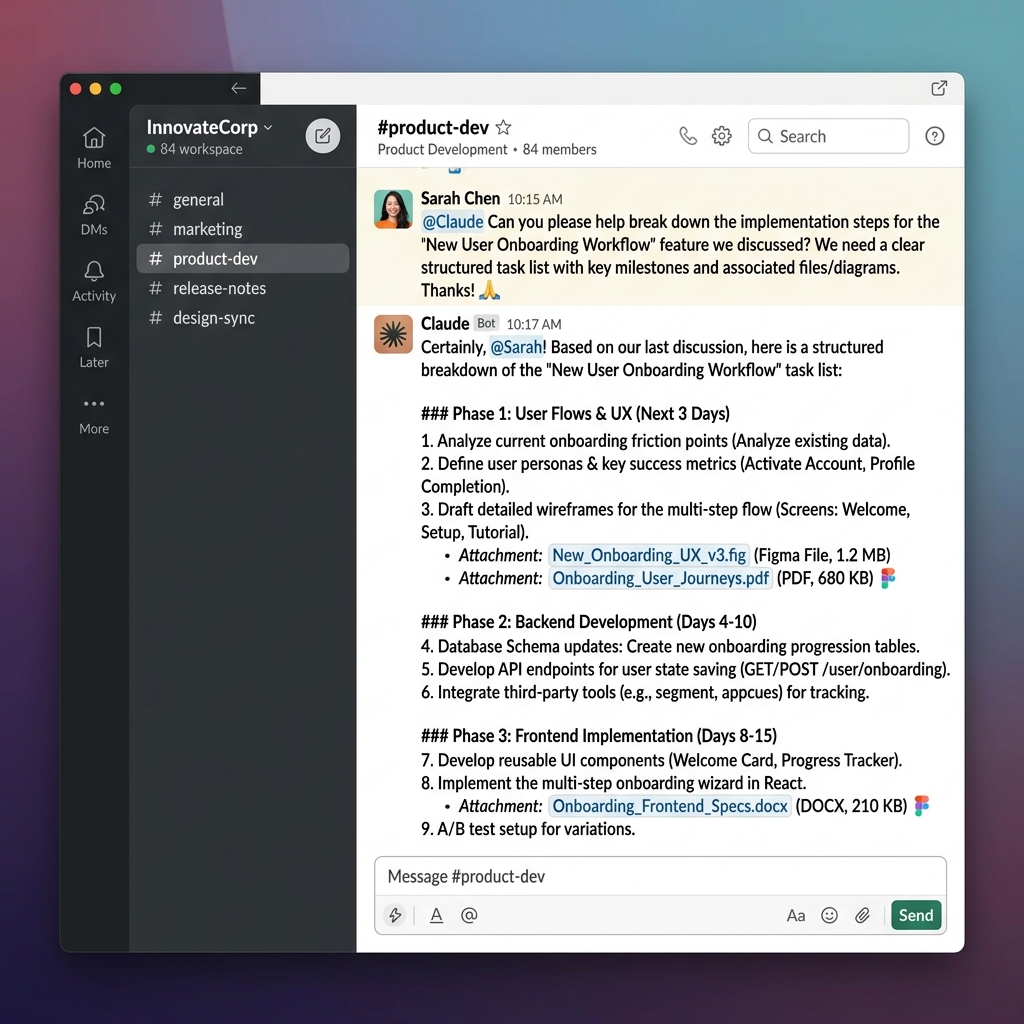
1. Anthropic puts Claude inside Slack as a multiplayer teammate
Claude Tag launched on 23 June in beta for Claude Enterprise and Team customers, per Fortune. You tag @Claude in a channel, it breaks the task into stages, uses connected tools, and posts results back in the thread. Anthropic says Claude Tag is already approving 65% of code changes its own product team submits.
2. Nobel winner John Jumper leaves DeepMind for Anthropic
John Jumper, the AlphaFold creator who shared the 2024 Chemistry Nobel, has joined Anthropic, per TechCrunch. He follows senior DeepMind researchers Jonas Adler and Alexander Pritzel out the door. Anthropic is quietly becoming the new home for science-leaning AI research.
3. OpenAI and Broadcom unveil their own inference chip
OpenAI and Broadcom unveiled an LLM-optimised inference chip on 25 June, per OpenAI’s newsroom. The pitch is cheaper, faster inference for ChatGPT-scale workloads, without leaning fully on Nvidia.
4. Figma Config 2026 brings motion, code and AI onto the canvas
At Config 2026, Figma shipped Figma Motion with a native timeline, Code Layers, WebGPU shaders, and Weave AI image tools, per the Figma blog and TechTimes. You can build animations, drop in code components, and generate consistent visuals without leaving the file.
5. Meta is building a prediction market app called Arena
Mark Zuckerberg has told a team to build a standalone prediction market app to take on Kalshi and Polymarket, per island public docs reporting picked up across tech press. Meta is treating real-money predictions as the next attention engine, with AI doing the matchmaking and pricing.
Enjoying this breakdown?
Join 4,200+ others getting these simple translations every Tuesday and Friday.
🪄 Oh, So AI can do that?!
1. Figma Motion plus Weave, now native in Design files
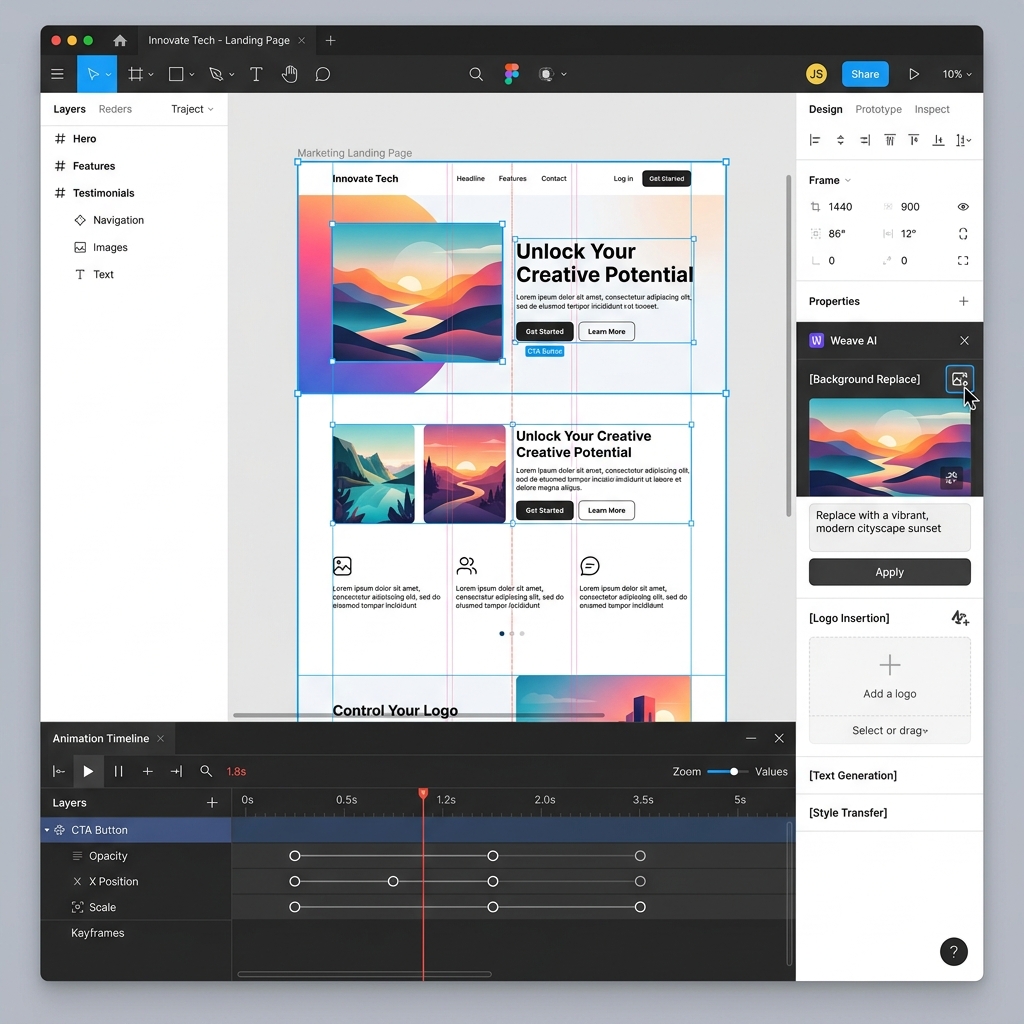
Figma’s Config 2026 release adds a native timeline with keyframes, exports to CSS, React, MP4, WebM, SVG, and GIF, plus Weave AI tools for background replace, logo insertion, and aspect ratio fixes built into Design files.
A small studio can mock a brand teaser inside Figma, hand the CSS to a developer, and skip a separate motion pass.
2. Perplexity Comet adds Model Council and Voice Mode
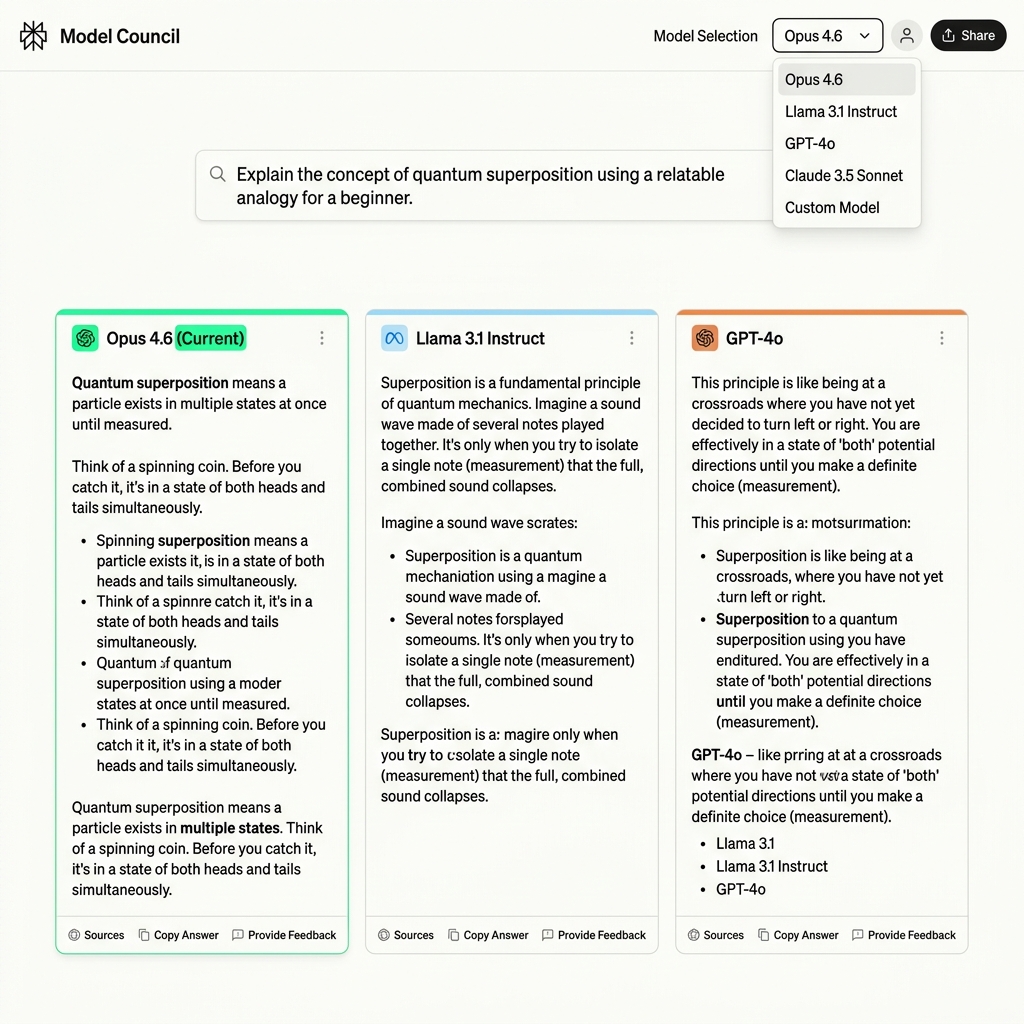
Comet’s June update lets Max subscribers pick the model behind the browser agent (Opus 4.6 as default, Sonnet 4.5 as an alt), and ships Model Council, which runs three frontier models on the same query and merges the answers. Enterprise rollout via MDM is now live.
A founder doing market research can ask one question, get three model views, and use the synthesis as a first draft of a positioning memo.
3. H Company drops Holo3.1 open computer-use models
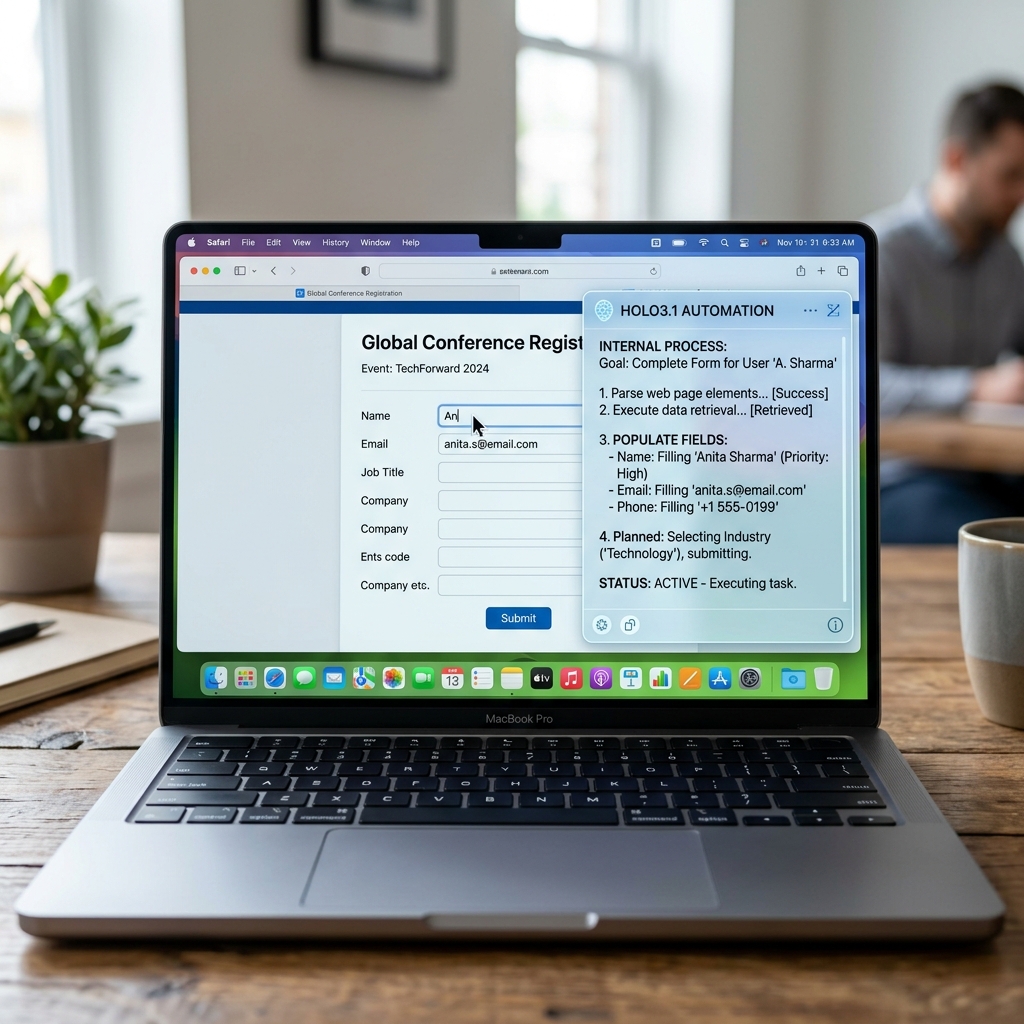
H Company released Holo3.1 model cards on Hugging Face: 0.8B, 4B, 9B, and 35B-A3B vision-language models that run computer-use agents on web, desktop, and mobile, locally.
A small ops team can run a free agent that books, fills forms, and tags spreadsheets on their own laptop, without sending screen data to a cloud API.
⚡ Oh, So I can do this
1. Google’s June core update keeps hitting weak affiliate pages
The June 2026 core update is still rolling. Early reads from Digital Applied and SEO Vendor show 71% of ranking drops are tied to thin affiliate content, with extra weight on Experience and Authoritativeness.
A travel blog with one-source listicles is losing rank to first-hand reviews with named authors and real photos.
2. INP just got tougher to pass under Chrome’s 2026 update
Chrome refined how INP is captured in 2026, leaning toward sustained interaction latency instead of averages. Pages that scraped a passing INP score before may now fail it, per WebVitals.tools. The thresholds did not move (LCP 2.5s, INP 200ms, CLS 0.1), but the math did.
A SaaS dashboard that felt fine on a fast laptop can suddenly fail INP on a mid-range Android because of one heavy interaction.
3. Figma Motion exports straight to CSS and React
Figma Motion ships exports in CSS, JSON, React, MP4, WebM, Animated SVG, and GIF, per the Figma Config recap. Designers can hand devs production-ready animation code instead of a video reference.
A landing page hero animation can go from Figma to a working React component in one paste.
Did 'Oh, So AI' help you understand something new today?
Forward this to a friend who is overwhelmed by AI.

Curated with ❤️ ByHarshal
Creative Director orchestrating AI workflows for founders' teams. Writing about productivity, design, and AI systems.
You made it to the end! 🎉
Subscribers got this days ago. Drop your email or join our WhatsApp community to get the next one first.