
I walked in expecting a small gathering.
Maybe fifteen people. A projector, some slides, polite applause. The kind of event that gets organized with good intentions and ends up feeling like a classroom.
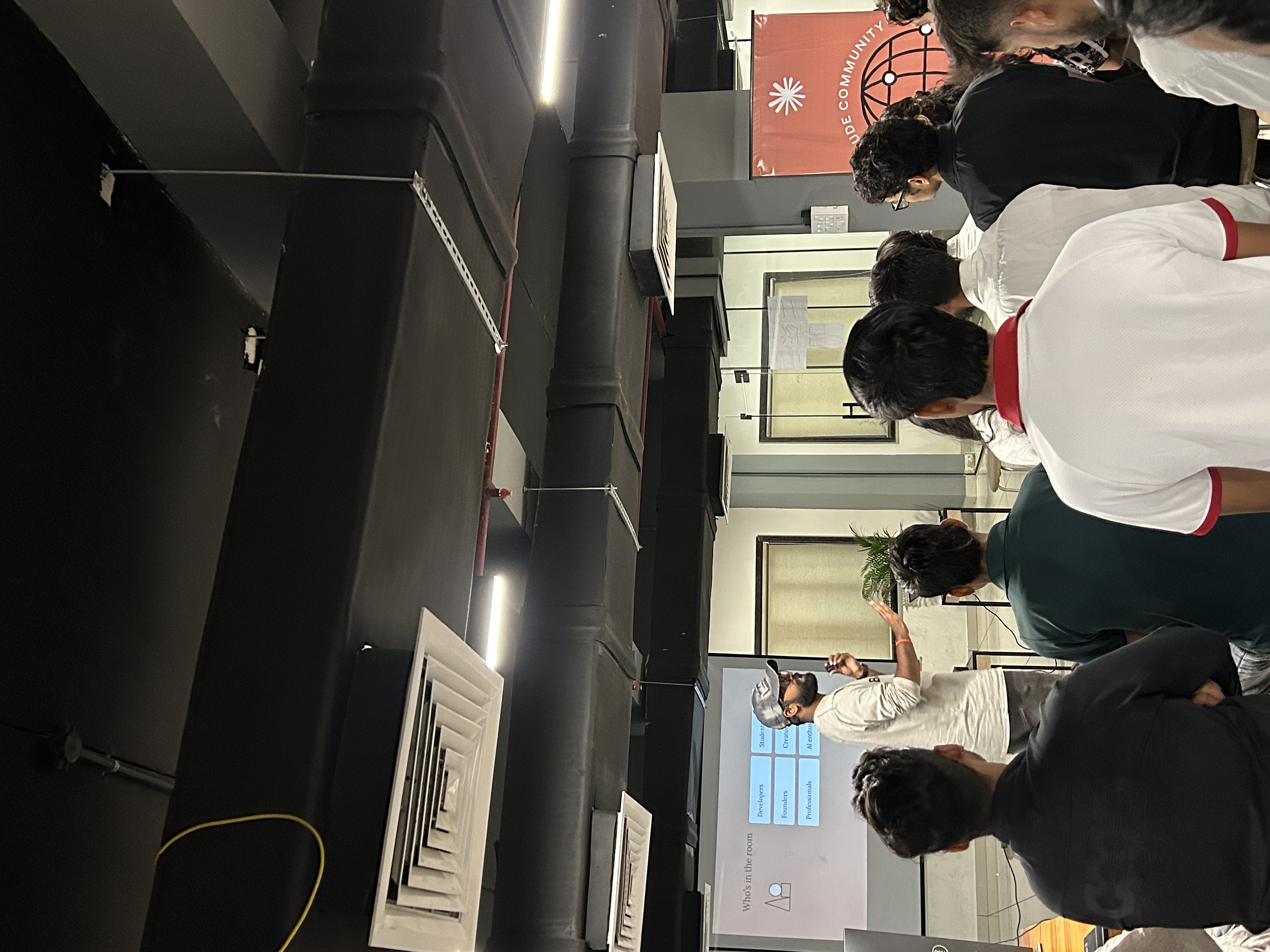
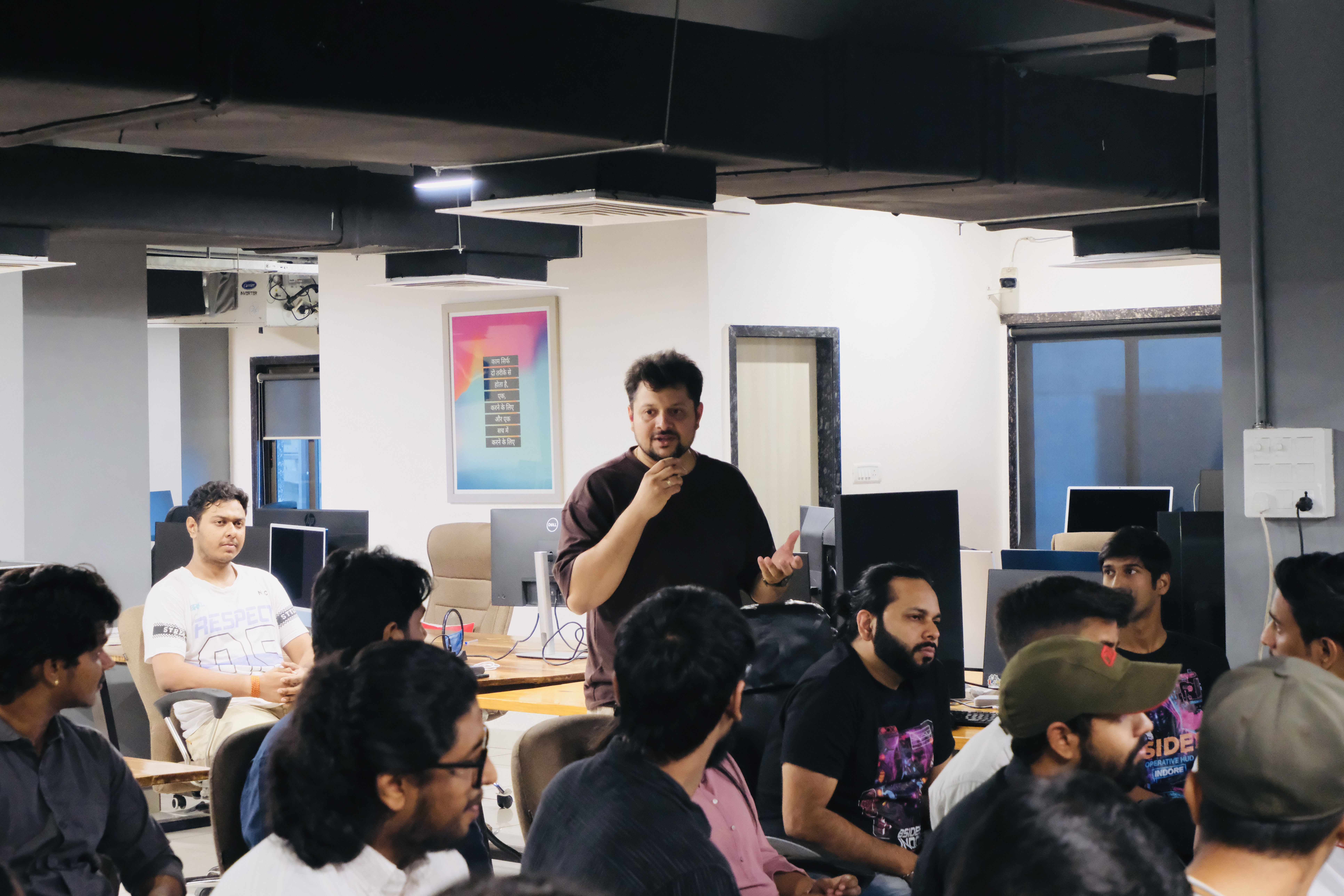
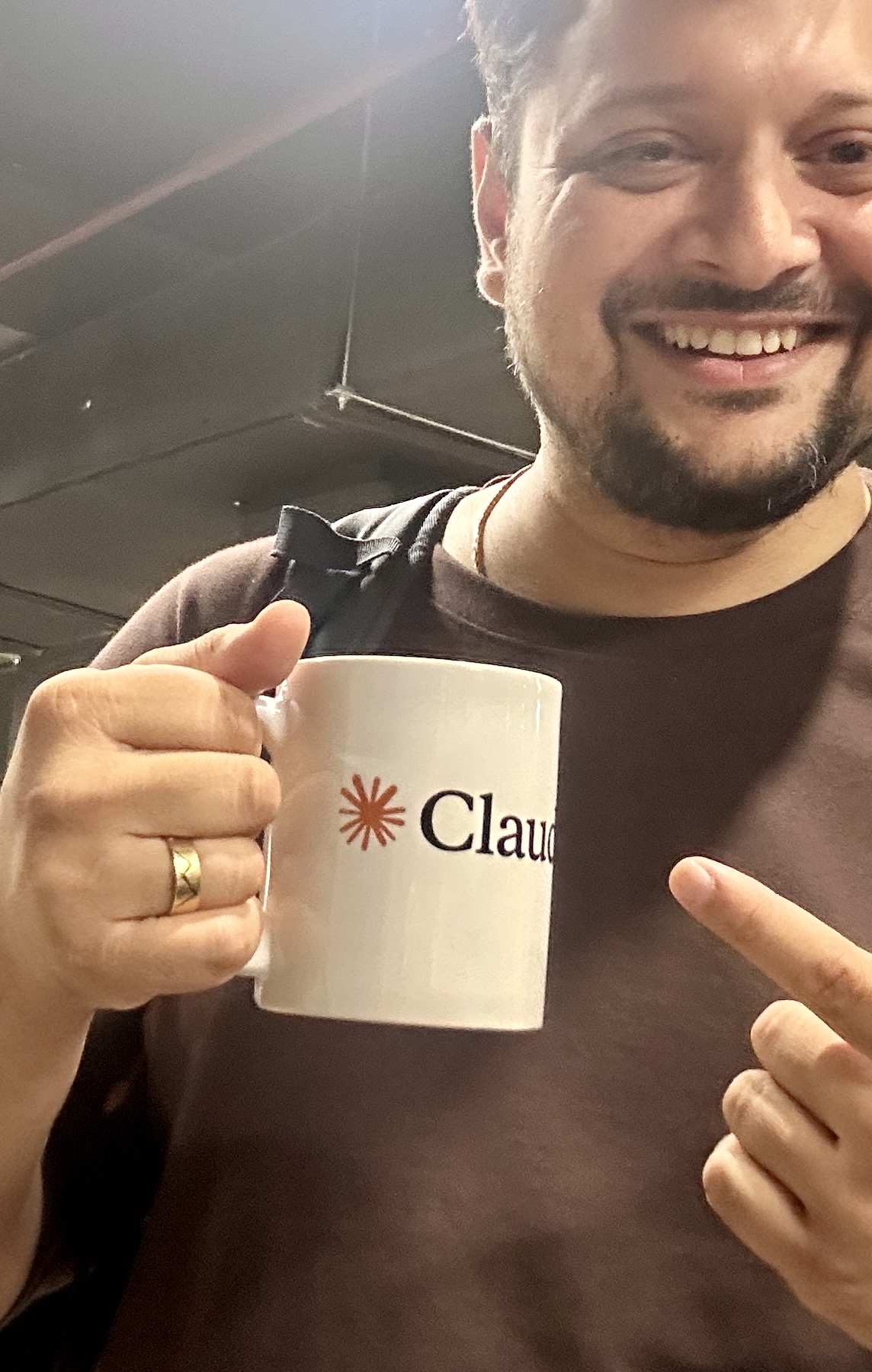
What I found instead was a room that was full. People standing. Conversations already happening before the first talk started. A Claude mug being passed around for photos. And a specific kind of energy I have not felt at many tech events in Indore before — the energy of people who are actually building things, not just curious about them.
What this post covers: What actually happened at Indore’s first Claude community meetup, the three things that stayed with me, and why I think local AI communities matter more than most people realize right now.
Table of Contents
What the Room Actually Looked Like
The first thing I noticed was the mix.
This was not a room full of developers. It was not a room full of founders. It was both, and then some. Solo builders, agency people, students with questions that were sharper than most professionals I have met, professionals who had clearly been using Claude for months and were hungry to compare notes with someone who understood what they were doing.
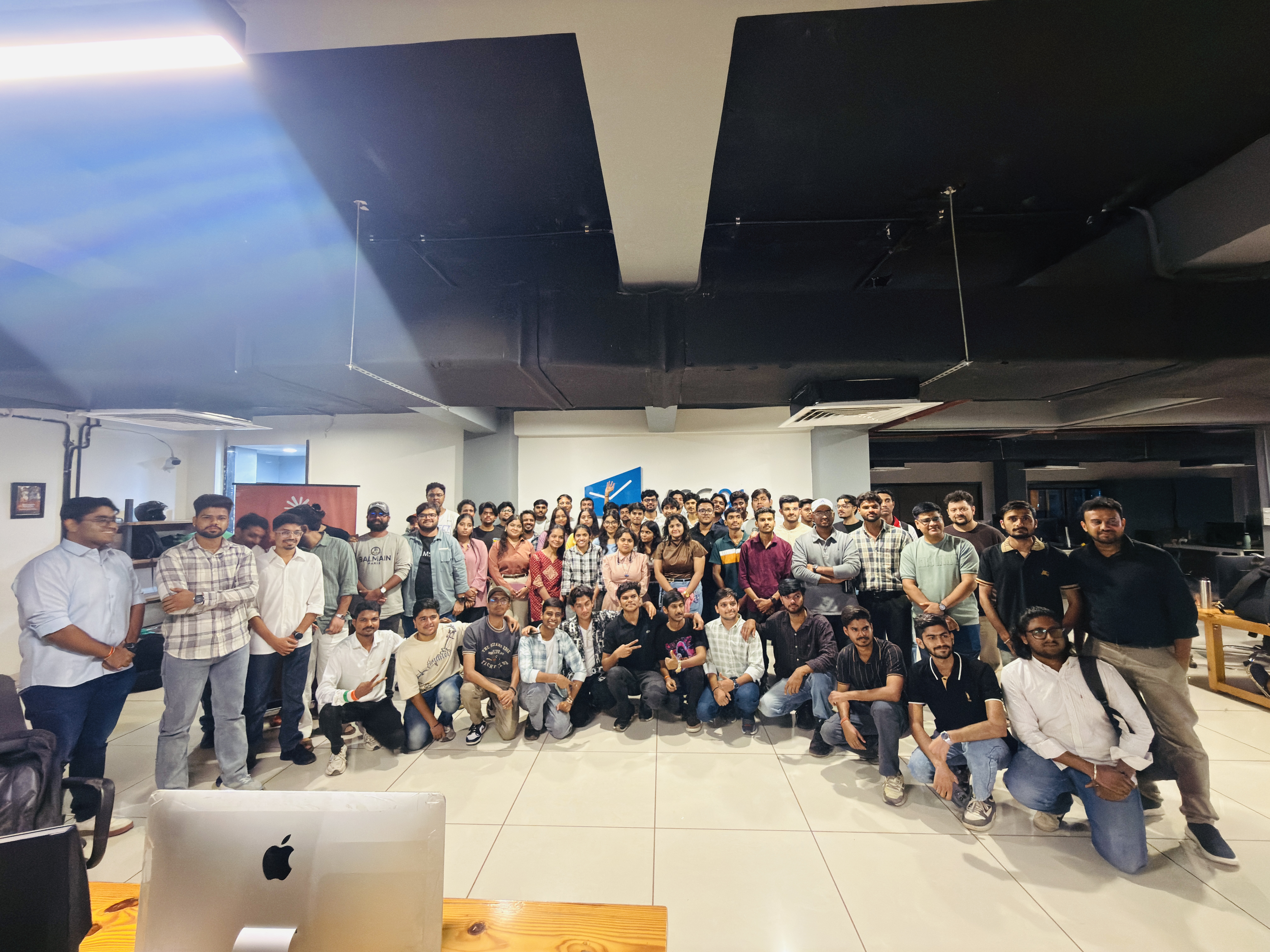
Aniket Sahu, who organized the whole thing as a Claude Community Ambassador, had a slide up front asking “Who’s in the room?” The list covered developers, students, founders, creators, professionals, and AI enthusiasts. What struck me was not the categories. It was that every category was filled.
Indore has had tech events before. But this one felt different because the people in it were self-selected around a specific tool they were already using — and they showed up ready to talk, not just ready to listen.
Aniket Made It a Conversation, Not a Conference
The format was the right call.
Aniket did not run this like a talk series where speakers perform and the audience politely waits. He ran it like a conversation that happened to have structure. Everyone got to speak. Questions came from the floor, not just from a designated Q&A window at the end. People who were building things got to show what they were building.
That matters more than it sounds. Most tech events in tier-two cities in India follow the same format: expert at the front, audience at the back, one-directional. The information flow goes one way. People leave knowing something they did not know before, but they did not connect with anyone, and nobody learned anything from them.
This event had actual information flowing in multiple directions. That is rare.
The Best Part Happened After the Talks
I want to spend time on this because it is the thing that most event recaps skip.
The formal part of the evening ended. And then the real conversations started.
People pulled out laptops. They showed each other what they were building. An agency founder walked me through the workflow he had set up with Claude — three steps I had not thought of combining that way. A developer asked me about how I use Claude for client briefs and we ended up in a twenty-minute conversation that felt like something from the best kind of working sessions.
This is what a community does that a conference cannot. A conference gives you information. A community gives you people who are working on adjacent problems, in your same city, willing to share what they actually know — not what they prepared to say on stage.
And yes, someone handed me a Claude mug and I made them take a photo.
Three Things That Stayed With Me
1. Indore has more AI builders than its events suggest.
I knew this city had technical talent. I did not know how many people in this city were specifically building with Claude, running workflows, shipping client projects, or just quietly experimenting on their own time.
The room that night was evidence of something the city’s event calendar had been hiding. The builders are here. They just had not had a room before.
This is important because the gap between having talent in a city and having a community for that talent is enormous. Talent stays isolated. Communities produce things. Collisions produce things. This event created that collision for the first time.
2. A community only starts when someone takes the first step.
Aniket could have waited for someone else to organize this. Nobody would have blamed him. Indore is not Bangalore. There is no default assumption that these events will happen on their own.
He organized it anyway. He made sure everyone spoke. He set the tone for what a Claude community event in this city should feel like. That first step is the hardest one, and it is often the most undervalued.
The people who show up to the next meetup will not know or remember how much work went into the first one. That is fine. That is how communities work. But the first one matters in ways that are invisible until you have been to the second one and realized the baseline already exists.
3. The offline component is irreplaceable.
I spend most of my working life in tools and tabs. Slack, Claude, Notion, browser windows. The work happens in that space and the conversations happen there too.
Offline changes things. Someone showing you their screen in person, walking you through a decision they made, explaining why they set something up the way they did — that information carries differently. The context is physical. The trust builds faster. The conversation goes places it would not go in a comment thread.
I left the meetup with three ideas I would not have had from reading the same content online. That is the return on showing up. It is not always measurable, but it compounds.
Key Takeaways
- The AI builder community in Indore is real. It was just invisible without a room to gather in.
- The best conversations at in-person events happen after the structured portion ends. Plan for that time.
- Format shapes what people take away. Events that let everyone speak produce more value than events where only the front of the room speaks.
- Communities start when one person takes the first step to host them. That step is harder and more important than it looks.
- Showing up to offline events produces ideas and connections that online channels cannot replicate. The compounding is slow and significant.
- If you are building with AI in Indore, this city has a room for you now.
Join the Community
If you are in Indore and building with Claude, or if you are anywhere in India and want to be part of the Claude community:
- Telegram: Claude Community India — join for updates on future meetups and events.
- Aniket Sahu (Claude Community Ambassador, Indore) — LinkedIn
The Claude community is also active globally. Look up:
- Cassie Mayes — Community at Anthropic
- Jason Bigman — Anthropic
- Martin E. Nilsen — Claude Community
Show up next time.
The Original LinkedIn Post
Frequently Asked Questions
What is the Claude Community?
The Claude Community is a network of builders, developers, founders, and professionals who use Claude (Anthropic's AI model) to build products, automate workflows, and explore what the model can do. The community is global, with local chapters and ambassadors organizing meetups in cities across the world. The Indore meetup was the first local gathering for this community in the city.
Who organized the Indore Claude meetup?
The meetup was organized by Aniket Sahu, who serves as a Claude Community Ambassador. Ambassadors are community members who take on the responsibility of organizing local events, connecting members, and growing the Claude ecosystem in their cities. Aniket ran the event in a format that prioritized conversation and participation over one-directional talks.
Will there be more Claude meetups in Indore?
Yes. Join the Claude Community India Telegram group to get updates on future events. The first meetup established the baseline — now the community exists and future events will build on it. If you are in Indore and building with AI, the room is there for you.
What kind of people attend these meetups?
The Indore meetup drew developers, solo founders, agency professionals, students, and working professionals across industries. The common thread was Claude — most attendees were already using it in some capacity and wanted to connect with others doing the same. You do not need to be a developer to attend. The community is deliberately broad.
How do I get involved if I am not in Indore?
Search for Claude Community events in your city through Luma. If there is no local chapter where you are, the global Telegram community is active and you can also connect with community ambassadors on LinkedIn. The community is global and the online channels are genuinely active, not just announcement boards.
How can I join the Claude community group?
To join the official Claude community group and stay updated on local AI meetups, you can take the following steps:
- Join the official Telegram: Become a member of the Claude Community India Telegram group to connect with other builders.
- Follow Community Ambassadors: Connect with local organizers (like Aniket Sahu) on LinkedIn.
- Register for Events: Find and RSVP to upcoming Claude community meetups on Luma.
The community is free to join and open to developers, solo founders, and AI enthusiasts of all experience levels.
Harshal Saraf is a Creative Director and AI Workflow Consultant based in Indore, India. Under his practice ByHarshal, he sets up AI workflows for founders, agencies, and brands across India. Where Creative Direction Meets AI Orchestration. He has led creative direction for brands and small and medium scale B2B businesses, and currently works as Creative Director and AI Strategist at Square Root SEO. He writes Oh, So AI, a Tuesday and Friday newsletter on AI tools, workflows, and productivity for founders and creatives.