
Oh, So AI can give you three different brains for your tasks? 🧠 - Edition 013
Edition Summary
Today: OpenAI starts previewing GPT-5.6 Sol, Terra and Luna under a US government gate, Claude lands generally available inside Microsoft Foundry on Azure, and Google quietly changed how Core Web Vitals measures responsiveness on input-heavy pages.

Oh So AI Issue #013 | Tuesday, 30 June 2026
💬 Daily Quote
The work you keep moving to tomorrow is usually the work that decides next year.
📌 TL;DR
Today: OpenAI starts previewing GPT-5.6 Sol, Terra and Luna under a US government gate, Claude lands generally available inside Microsoft Foundry on Azure, and Google quietly changed how Core Web Vitals measures responsiveness on input-heavy pages.
🏆 LLM Leaderboard
Claude Opus 4.7 still leads the closed-source pack on the Intelligence Index. DeepSeek V4 Flash is the king of usage volume with nearly 10x token growth this month. The real movement is Tencent Hy3 Preview going from zero to second on popularity in a single month. Chinese open weights now move 46% of all tokens on the platform.
Source: OpenRouter Rankings + Benchmarks
📰 Oh, So AI did this
1. OpenAI starts previewing GPT-5.6 Sol, Terra and Luna
Three tiers. Sol is the flagship at $5 input and $30 output per million tokens. Terra is the everyday model at $2.50 and $15. Luna is the cheap one at $1 and $6. The whole family is gated to trusted partners under the new US frontier review, per VentureBeat. Sol also gets an ultra mode that splits a task across multiple sub-agents.
2. US partially lifts the Claude Mythos 5 export ban
Anthropic can now ship Mythos 5 to roughly 100 federal agencies and trusted companies, per CNBC. The wider ban from Edition 006 is still on, but cybersecurity and critical infrastructure teams get back in. The full reopen is gated to a new privacy policy on July 8 and a federal framework due August 1.
3. Claude goes generally available inside Microsoft Foundry on Azure
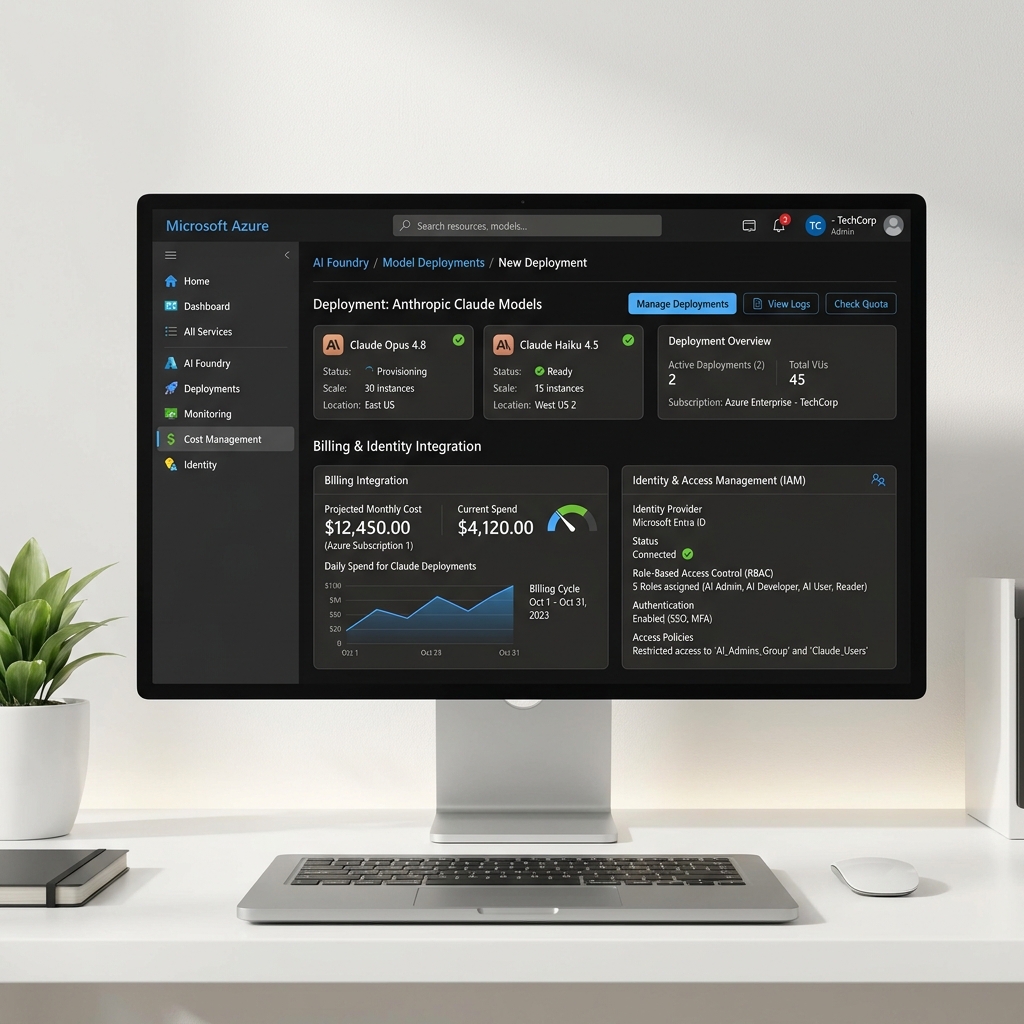
Opus 4.8 and Haiku 4.5 are live in the Messages API as of June 29, per the Microsoft Azure blog. You get Azure-native identity, billing and governance, plus an optional US data zone. Prompt caching and extended thinking both work.
4. Gemini 3.5 Pro slips to July
Google missed its I/O June window. The model is now lined up for a July rollout with a 2 million token context, a Deep Think reasoning mode, and full multimodal across text, image, audio and video. The delay is noted in the AI news roundup for June 29.
5. Claude support lands inside Apple’s Foundation Models framework
On iOS 27, iPadOS 27, macOS 27, visionOS 27 and watchOS 27, devs can now wire Claude into native apps through Apple’s own framework. Streaming, tool calls and structured responses all work, per the Anthropic release notes.
Read on Anthropic Release Notes
Enjoying this breakdown?
Join 4,200+ others getting these simple translations every Tuesday and Friday.
🪄 Oh, So AI can do that?!
1. Pics by Google
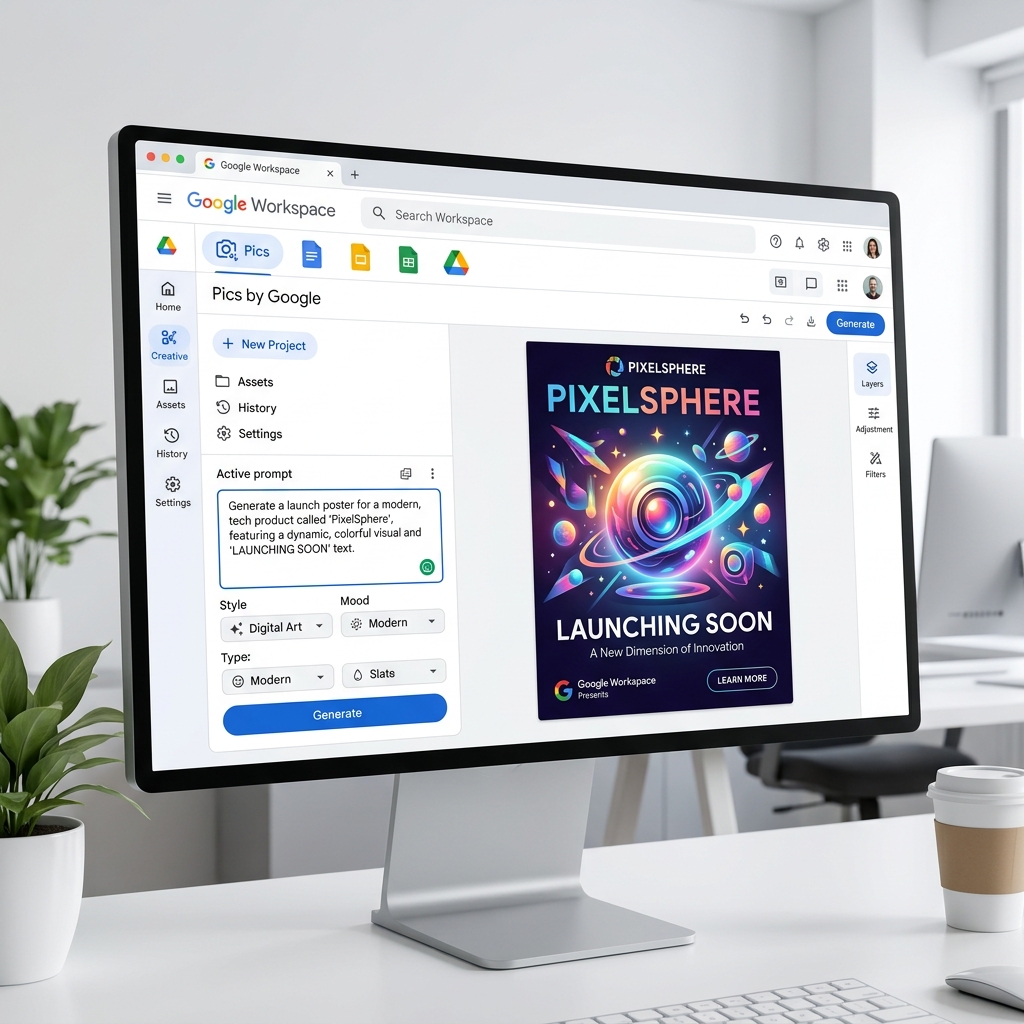
A new AI design and image app inside Google Workspace. Type a prompt and get social graphics, invites, marketing posters or mock-ups. Lives right next to Docs and Slides.
2. MiniMax Hub
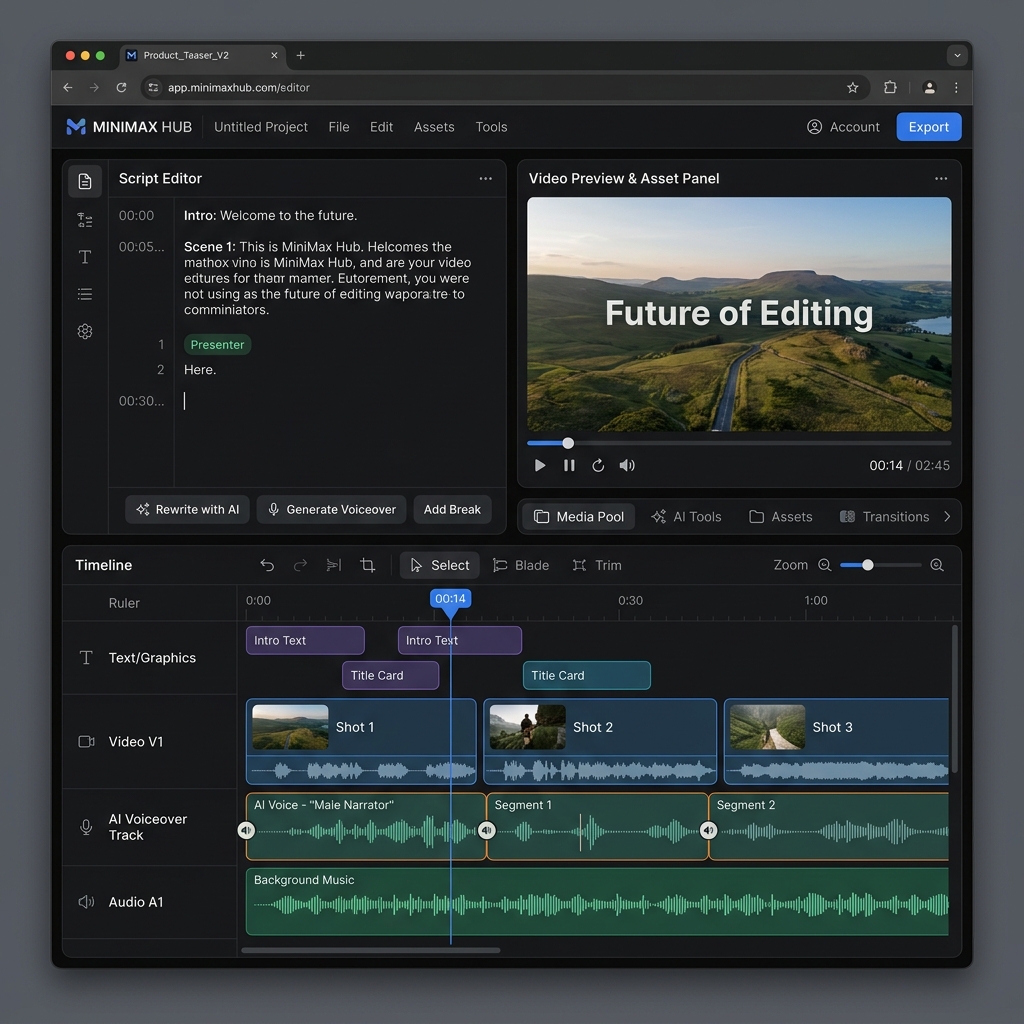
A single AI tool that does video, image, voiceover and editing. MiniMax pushed it live at the Shanghai Film Festival. Script, music and cut all live on one canvas.
3. Claude Enterprise MCP connectors via Okta
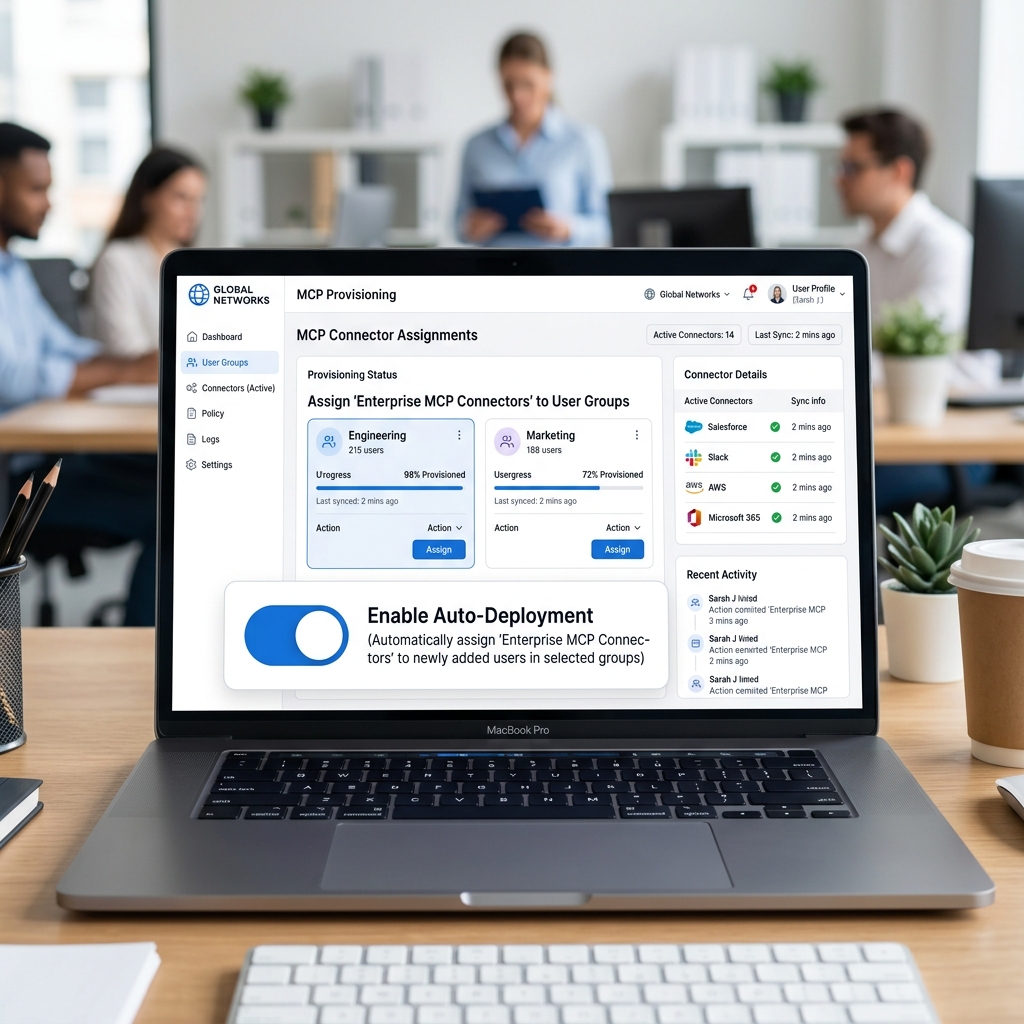
Anthropic added admin-managed MCP connector access starting with Okta. Admins provision connectors once. Every user gets them automatically on first login.
Read on Anthropic Release Notes
4. Claude Code adds fullscreen mouse controls and steadier background agents
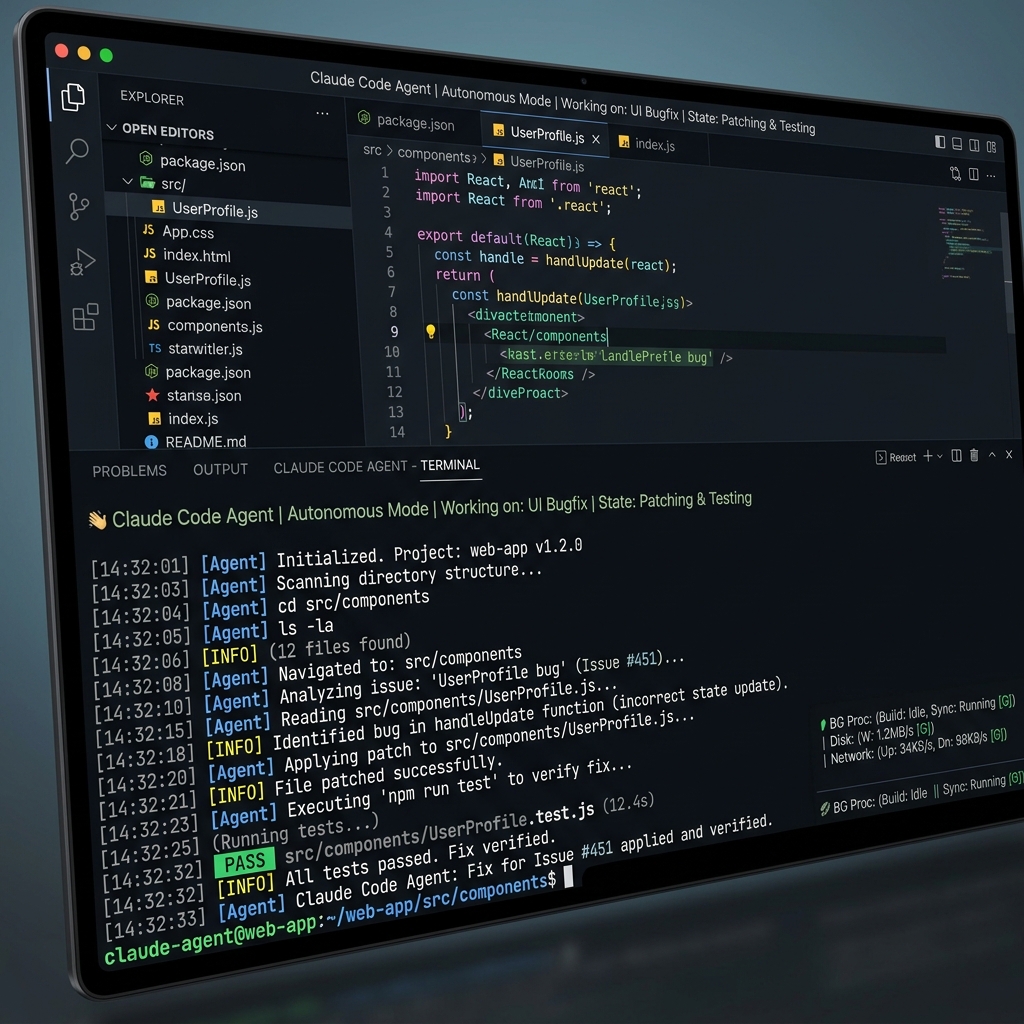
The same release notes also patch voice dictation, plugin matching, Linux voice detection and Remote session startup. Background agents are noticeably more reliable.
Read on Anthropic Release Notes
⚡ Oh, So I can do this
1. Google Business Profile metrics land natively inside GA4
Seven Business Profile metrics now show up inside GA4 on a rolling six-month window. Local ad spend can be tied to real-world intent signals like calls, route requests and Maps clicks, per the June 28 update.
Read on Search Engine Roundtable
2. Microsoft is testing a Windows 11 toggle to disable Bing web results
A new Windows 11 toggle, in test, lets people turn off Bing web results inside the OS. It changes the citation pool for Copilot answers and how your site shows up in Windows search.
Read on Search Engine Roundtable
3. Core Web Vitals INP got quieter, stricter and harder to fake
Google did not change the INP target of 200ms. It changed the plumbing. The metric now weighs sustained interaction lag harder on input-heavy pages, per the May CrUX release published June 9. Only 55.9% of tracked origins now pass all three Core Web Vitals.
4. Chrome’s Soft Navigations API ships for SPA Core Web Vitals
A new Soft Navigations API is coming in an upcoming Chrome release. It finally lets Single Page Apps report Core Web Vitals per route change, not just per hard load. From the Chrome at I/O 26 blog.
Did 'Oh, So AI' help you understand something new today?
Forward this to a friend who is overwhelmed by AI.

Curated with ❤️ ByHarshal
Creative Director orchestrating AI workflows for founders' teams. Writing about productivity, design, and AI systems.
You made it to the end! 🎉
Subscribers got this days ago. Drop your email or join our WhatsApp community to get the next one first.